
From Zero to Strong: How to Begin Your Fitness Journey the Right Way
Starting a fitness journey can feel intimidating, especially if you are beginning from scratch. Many people hesitate because they fear they are not fit enough, strong enough, or knowledgeable enough to start. However, the truth is that everyone begins somewhere, and taking the first step is far more important than being perfect. The phrase “from zero to strong” emphasizes that strength, health, and fitness are built gradually through consistent, focused effort. By following a structured approach and adopting beginner-friendly habits, anyone can transition from a sedentary lifestyle to a strong, capable, and confident version of themselves. The key is knowing how to begin the right way—safely, effectively, and sustainably.
The first step in starting your fitness journey is understanding your current fitness level and setting realistic goals. Beginners should take stock of their abilities, mobility, endurance, and strength before jumping into a rigorous routine. Setting achievable goals, such as performing a set number of push-ups, walking a certain distance, or completing short home workouts, provides direction and motivation. Goals give purpose to every action, and tracking progress helps maintain consistency. Experts recommend starting with small, measurable objectives that gradually increase in intensity as your fitness improves. This approach builds confidence and ensures that each milestone reinforces your commitment to growth.
Beginner-friendly exercises form the foundation of a successful fitness journey. These include bodyweight movements like squats, lunges, push-ups, planks, glute bridges, and modified pull-ups. Such exercises target multiple muscle groups, enhance functional strength, and improve balance and coordination. Compound movements, which involve more than one joint and muscle at a time, are particularly effective for beginners because they maximize results in shorter workout periods. The focus should always be on learning proper form rather than lifting heavy weights initially. Correct technique ensures safety, strengthens core stability, and prepares the body for gradual progression.
Progressive overload is a key principle that helps beginners build strength over time. It involves gradually increasing the intensity, volume, or resistance of exercises to continuously challenge the muscles. This can be done by adding repetitions, extending sets, increasing weight, or reducing rest intervals. Even small, incremental changes make a significant difference when applied consistently. By gradually pushing your limits, your muscles adapt and grow stronger, your endurance improves, and your overall fitness level rises without overwhelming your body. Beginners should aim for steady, manageable progress rather than attempting extreme workouts that may lead to injury or burnout.
Core strength and stability are essential for functional fitness and injury prevention. A strong core supports nearly every movement, from daily tasks to complex exercises. Beginners should integrate core exercises such as planks, side planks, bird dogs, and seated or standing twists into their routines. Core activation improves posture, balance, and force transfer during compound exercises, ensuring that the body moves efficiently and safely. Experts emphasize that functional strength comes from a combination of core stability and overall body conditioning, making it critical for anyone starting from zero.
Consistency is more important than intensity for beginners. Fitness is a long-term journey, and sporadic workouts rarely produce meaningful results. Establishing a consistent schedule—whether it’s 20–30 minutes of exercise daily or 3–4 sessions per week—helps develop a habit that lasts. Small, consistent actions compound into significant results over time. Even short workouts performed regularly contribute to strength, stamina, and confidence. Beginners should focus on showing up every day and completing their routine, understanding that consistent effort outweighs occasional bursts of high intensity.
Proper nutrition is vital for supporting strength and overall health. Muscles require adequate protein for repair and growth, while carbohydrates provide energy for workouts, and healthy fats support hormone production and recovery. Beginners should aim for balanced meals with whole foods such as lean meats, eggs, beans, vegetables, fruits, nuts, and whole grains. Hydration is equally crucial, as water aids in muscle function, recovery, and energy levels. Simple, sustainable dietary habits, combined with regular exercise, accelerate progress and enhance overall wellbeing.
Recovery and rest are often overlooked by beginners but are essential for building strength safely. Muscles grow and repair during rest, not during exercise itself. Beginners should incorporate adequate sleep, rest days, and active recovery techniques such as stretching, foam rolling, or light mobility work. Overtraining can lead to fatigue, decreased motivation, and even injury. By respecting the body’s need for recovery, beginners ensure that they remain energized, prevent setbacks, and maintain steady progress.
Mindset and mental focus play a critical role in starting from zero and becoming strong. Many beginners face self-doubt, fear of failure, or comparison with others. Cultivating a growth mindset—believing that abilities can improve with effort—helps overcome these challenges. Positive self-talk, visualization, and mindfulness techniques can enhance motivation and discipline. Mental resilience allows beginners to stay consistent even when progress feels slow, helping them push through plateaus and setbacks while reinforcing the habit of showing up every day.
Flexibility and mobility training support strength development by improving joint health and range of motion. Incorporating dynamic warm-ups, stretching, and mobility drills into a beginner routine prevents stiffness, enhances movement efficiency, and reduces the risk of injury. Healthy joints and muscles allow beginners to perform exercises correctly and comfortably, making workouts more effective and enjoyable. Experts recommend dedicating a few minutes before and after workouts to these practices to maintain a balanced and injury-resistant body.
Tracking progress and celebrating small wins is an effective strategy for motivation. Beginners should document their workouts, track repetitions, note improvements in form, or record milestones achieved. Recognizing small achievements reinforces commitment, builds confidence, and makes the fitness journey more rewarding. Whether it’s completing your first set of squats with perfect form, holding a plank longer than before, or simply feeling stronger in daily activities, celebrating these victories fuels motivation and encourages continued effort.
Finally, starting from zero requires patience and persistence. Fitness transformation does not happen overnight; it is the result of consistent action, deliberate effort, and gradual improvement. Beginners should focus on mastering the basics, embracing small wins, and gradually challenging themselves. Each session builds momentum, forming habits that compound into significant strength, endurance, and overall health improvements over time. With the right mindset, structured approach, and dedication, anyone can move from zero to strong, unlocking their full potential in both fitness and life.
In conclusion, beginning your fitness journey the right way involves understanding your current level, setting realistic goals, mastering foundational exercises, practicing progressive overload, and maintaining consistency. Supporting these efforts with proper nutrition, recovery, flexibility, and mental focus ensures safe and sustainable growth. By starting today, committing to daily actions, and celebrating incremental progress, beginners can transform their bodies, strengthen their minds, and achieve a lifetime of health, fitness, and confidence. From zero to strong is not just a goal—it is a journey that rewards patience, effort, and persistence with profound physical and mental transformation.

Starting a fitness journey can feel challenging when you have no experience to start with. The need to achieve fast results through heavy lifting or exercising according to strict regimens leads to mental exhaustion and increased stress. The truth behind strength development and self-assurance creation requires dedicated work through established methods and continuous development. You need to start your first steps with the most basic method.
First, shift your focus from results to habits. You should make three to four weekly workout sessions your first commitment instead of tracking your weight loss and muscle development. The process of building momentum works through consistent actions which then create belief in oneself. Your first objective requires you to develop active habits instead of trying to achieve maximum strength. Your body will start making progress when you include exercise into your daily activities.
Start with basic movement patterns. Your body needs only these fundamental exercises which include squats and push-ups or knee push-ups and lunges and glute bridges and planks to start its adaptation process. The compound movements enable you to develop balanced strength because they activate multiple muscle groups simultaneously. Each workout session should last 20 to 30 minutes while you execute 2 to 3 sets for each specific exercise. The training should maintain moderate intensity which will challenge you but not lead to complete exhaustion. Your body reaches its growth peak during two distinct periods: when you provide stimulation and when your body gets time to restore itself.
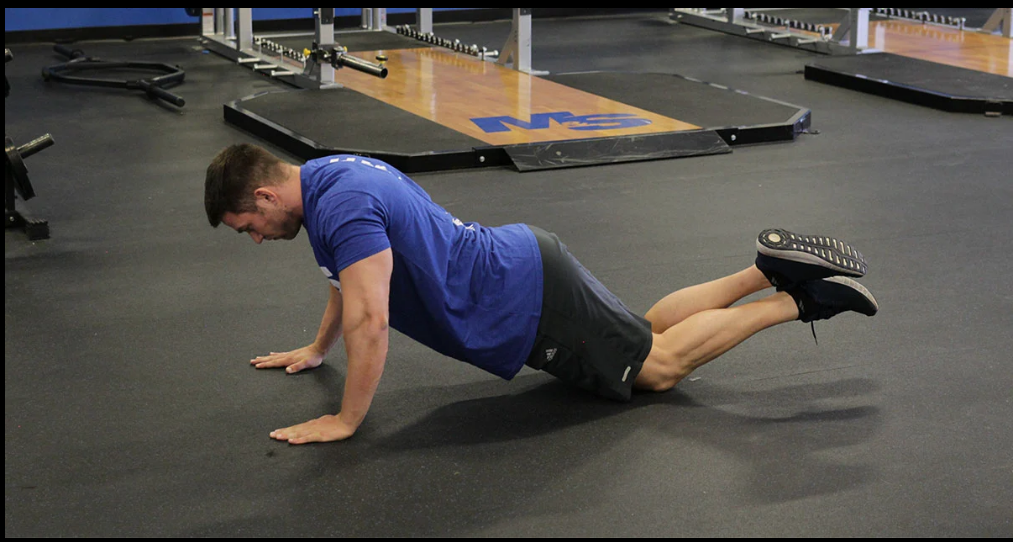
The ability to learn proper form presents equal value to its counterparts. Proper movement execution protects against injuries while enabling you to work the correct muscle groups. You should watch instructional videos from reputable trainers or record your movements for alignment assessment whenever you can. The procedure requires you to perform movements slowly with controlled speed because this method proves more successful than executing movements without control at fast speed.
You should use cardiovascular exercises to enhance your strength training instead of treating them as an alternate workout. Start your exercise routine with thirty minutes of brisk walking or cycling or light jogging on two to three days every week. The activity supports heart health while building endurance and enhancing recovery through increased blood circulation. High-intensity intervals should not be included in your workout schedule because you should focus on building your aerobic base first.
People frequently ignore recovery time yet it remains a vital process. Muscles develop during periods of rest instead of during physical training sessions. Your body requires 7 to 9 hours of sleep together with enough water intake and protein consumption from meals to facilitate muscle recovery. You need to take at least one complete break from work every week. Stretching or mobility exercises should replace your workout schedule whenever you experience extreme muscle soreness or exhaustion.
Your mindset represents the strongest driving force which leads you forward on your personal path. progress will not always happen in a straight line. Some days you will experience peak strength while other days your strength will decline. This behavior represents normal human behavior. People should track their success through their dedication to work their routine behavior and their progress towards minor goals which include extra repetitions and enhanced stability and better endurance. People achieve major successes when they accumulate multiple minor achievements.
The process of developing strength requires you to begin at your current position and make gradual progress with the resources which you currently possess. Your strength development will become unstoppable when you choose to establish permanent practices instead of pursuing instant solutions. You need to train consistently through multiple workouts before reaching your strongest self.
Small Steps, Big Results: How to Get Stronger Every Single Day
Building strength doesn’t always require intense workouts or long hours in the gym. In fact, real, long-lasting progress often comes from small, consistent steps taken every single day. When you focus on daily improvement rather than short bursts of motivation, you create steady momentum that transforms your body and mind over time. Getting stronger every day is not about lifting the heaviest weights—it’s about building sustainable habits, improving your mindset, and learning how to make fitness a natural part of your life. Whether you’re a beginner or someone returning to fitness, simple daily actions can lead to powerful long-term results. When you understand that strength is built gradually, you free yourself from the pressure of perfection and start enjoying the process of becoming stronger, healthier, and more confident.
One of the most important steps to getting stronger every day is establishing a routine that supports your goals. Daily habits like stretching in the morning, maintaining good posture, and taking short walks can significantly improve your mobility and endurance. These habits might seem small, but they play a major role in preparing your body for more intense exercises. Even performing a few bodyweight movements—such as squats, push-ups, and planks—can gradually build strength when done consistently. You don’t need to start with long workouts; even 10 to 15 minutes a day can make a noticeable difference when combined with commitment and persistence. What truly matters is showing up each day and giving your best effort, no matter how small it may seem.
Another key factor in daily strength development is your mindset. Many people underestimate the power of mental discipline in achieving physical goals. Staying consistent, especially on days when you feel tired or unmotivated, requires mental strength. By celebrating small wins—like completing a short workout, drinking enough water, or improving your form—you reinforce positive habits and boost your motivation. Over time, these small victories shape a stronger mindset, making it easier to stay committed to your fitness journey. When your mind is strong, your body follows. You start to push through challenges, set higher goals, and develop confidence in your ability to improve.
Fueling your body properly is another essential step in getting stronger every day. Consuming balanced meals with enough protein, healthy fats, and complex carbohydrates helps your muscles grow and recover. Staying hydrated throughout the day also supports strength development and overall performance. Many people focus only on workouts and forget that nutrition is just as important. Without proper fuel, your body cannot perform at its best, no matter how hard you train. Small dietary improvements—like adding vegetables to your meals, choosing whole foods over processed ones, and reducing sugary snacks—can dramatically impact your strength and energy levels.
Rest and recovery are also crucial in your daily strength-building journey. Your body needs time to repair muscles and replenish energy. This doesn’t mean you must take full rest days every day—instead, focus on active recovery. Light activities such as stretching, yoga, or slow walks help keep your body moving while giving your muscles the chance to heal. Proper sleep is also essential, as it supports muscle growth, hormone balance, and mental clarity. When you respect your body’s need for rest, you prevent burnout and create a healthy balance that allows for continuous improvement.
As you take small steps each day, you’ll begin to notice changes—not just in your strength, but in your overall mindset and lifestyle. Clothes may fit better, your posture may improve, and you may feel more energized and motivated. Most importantly, you’ll develop a deep sense of discipline and self-belief. Getting stronger every single day is not just about building muscles; it’s about creating a lifestyle that values progress, patience, and persistence. Each small action you take brings you closer to becoming the best version of yourself. Over time, these small steps lead to big results, proving that consistency—not intensity—is the true key to strength and transformation.
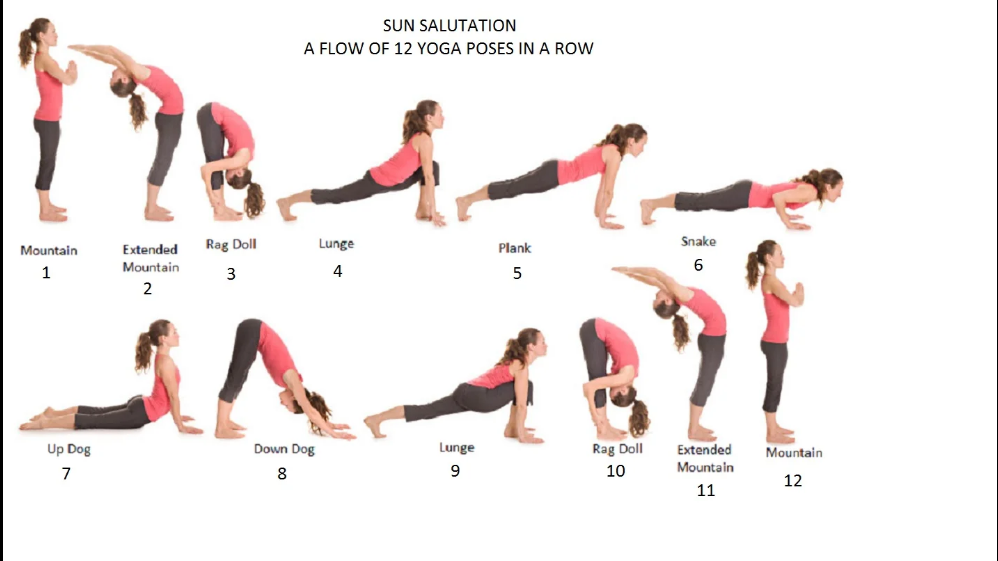
Daily progress toward greater strength doesn’t require intense exercise sessions or major changes to your daily routine. People achieve their most significant changes through their ability to execute small tasks on a daily basis for an extended period. Daily routines that include physical and mental challenges enable individuals to develop their strength through controlled challenges which do not exhaust their stamina.
Begin your exercise program with exercises that you can handle. Your body should perform foundational exercises, which include squats and push-ups and lunges and rows and planks. The compound exercises enable training of several muscle groups which results in effective strength development that produces balanced results. You should train for 20 to 30 minutes three to five times each week. You should perform exercises at a moderate level until you reach the point where you can complete one to two additional repetitions. This method enables gradual development which helps you recover.
People who want to advance their training can use alternatives to heavier weightlifting for their progress evaluation. People can enhance their progress by adding one more repetition or creating better movement techniques or executing slower movements or adding more weight. The principle of progressive overload enables your muscles to learn new techniques through safe training methods. The process of building strength starts with your first tiny improvements which accumulate throughout weeks and months until you achieve substantial strength increases.
Recovery time needs to match your work effort. Your muscles require rest time because their growth happens outside of the workout session. You should focus on the essential elements of sleep and hydration and proper nutrition which needs to deliver sufficient protein. Rest days should include stretching exercises and light walking because they help blood circulation and decrease stiffness. Your body will progress forward through small movements when you learn to understand its signals.
Your body becomes stronger through daily activities which happen outside of planned workout sessions. Your body remains active and develops its strength through practices like using stairs and grocery handling and walking and mobility exercises. These basic movements rather than their complex ones help people to maintain their strength.

Small steps remove intimidation and build confidence. When you focus on what you can improve today—just one percent better than yesterday—you create momentum. Over time, those modest efforts transform into significant results. Strength is not built in a single breakthrough moment; it’s built quietly, day by day, through disciplined, intentional action.
Relentlessly Stay Consistent, Stay Unstoppable
Consistency is the cornerstone of success in fitness, performance, and personal growth. The principle of “Relentlessly Stay Consistent, Stay Unstoppable” underscores the importance of daily commitment, discipline, and perseverance. Experts highlight that short bursts of effort or sporadic motivation rarely yield meaningful results. Instead, unwavering consistency transforms habits into measurable outcomes, turning effort into strength, endurance, skill, and overall improvement. Those who embrace consistency relentlessly are not just building physical fitness—they are cultivating resilience, mental toughness, and an unstoppable mindset that drives long-term achievement.
The first step to relentless consistency is establishing a clear plan and routine. Experts emphasize the value of structured schedules, which include defined times for workouts, nutrition, recovery, and mental conditioning. A well-structured routine minimizes reliance on fluctuating motivation and ensures that daily actions align with long-term goals. Planning ahead reduces the likelihood of skipping sessions, missing meals, or neglecting recovery, creating a stable foundation for continuous progress.
Goal setting and progress tracking are essential tools for sustaining consistency. By breaking larger objectives into smaller, actionable milestones, you maintain focus and motivation over time. Tracking progress through journals, apps, or performance metrics provides tangible evidence of improvement, reinforcing commitment and accountability. Experts stress that seeing incremental success keeps individuals engaged, preventing burnout and fostering a sense of achievement that drives relentless effort.
Habit formation and behavioral consistency are critical components of becoming unstoppable. Fitness professionals emphasize that habits—rather than temporary motivation—determine long-term success. By embedding workouts, nutrition, recovery, and mindset practices into daily routines, consistent behavior becomes automatic. Repetition and reinforcement strengthen these habits, creating a cycle of success that requires less conscious effort over time. Relentless consistency is achieved when healthy actions become second nature.
Mental resilience and focus are equally important for maintaining consistency. Challenges, fatigue, and life distractions are inevitable, but those who remain mentally strong push through setbacks without losing momentum. Techniques such as mindfulness, visualization, positive self-talk, and mental rehearsal prepare individuals to overcome obstacles and maintain focus. Experts highlight that mental toughness allows individuals to persist even when motivation wanes, ensuring that consistency remains unbroken and progress continues steadily.
Accountability and support systems enhance relentless consistency. Engaging with coaches, workout partners, or supportive communities provides encouragement, feedback, and motivation to stay on track. Sharing goals and progress with others reinforces responsibility and creates social pressure to maintain consistency. Experts note that accountability networks complement internal drive, making it easier to sustain habits and overcome challenges that might otherwise derail progress.
Adaptability and flexibility are critical for maintaining momentum over time. Life circumstances, injuries, travel, or unexpected challenges can disrupt routines. Experts advise developing alternative strategies, such as modified workouts, at-home sessions, or nutrition adjustments, to maintain consistency despite obstacles. Being adaptable ensures that temporary disruptions do not compromise long-term goals, keeping progress steady and sustainable.
Recovery and self-care are essential components of a sustainable, consistent routine. Overtraining, neglecting sleep, or ignoring nutrition can lead to fatigue, injury, and diminished motivation. Experts emphasize balancing effort with recovery to maintain high performance and ensure longevity. Adequate rest, proper nutrition, active recovery, and stress management are critical for sustaining energy levels and reinforcing the consistency needed to achieve long-term success.
Intrinsic motivation and purpose fuel relentless consistency. Understanding why you are committed—whether it is for health, performance, confidence, or personal achievement—creates a deeper connection to your actions. Experts highlight that purpose-driven routines are easier to sustain because they align with personal values and long-term aspirations. When motivation is tied to meaningful goals, consistency becomes a reflection of dedication rather than obligation.
Celebrating milestones and small victories reinforces unstoppable momentum. Recognizing progress, even incremental, boosts morale, strengthens commitment, and maintains engagement. Experts advise balancing celebration with focus on continued effort, ensuring that acknowledgment of success does not lead to complacency. A consistent, forward-looking mindset reinforces the cycle of relentless effort and sustained achievement.
Finally, integrating all aspects of training, nutrition, recovery, and mindset creates a holistic, unstoppable approach. Experts stress that consistency is most effective when all components of a fitness or performance program support each other. Structured workouts, balanced nutrition, proper recovery, and mental resilience work together to maintain daily effort, optimize results, and create sustainable performance. Those who relentlessly stay consistent become unstoppable because every element of their routine reinforces progress, resilience, and growth.

In conclusion, relentlessly staying consistent is the key to becoming unstoppable in fitness and life. By establishing a clear plan, forming habits, tracking progress, building mental resilience, leveraging accountability, remaining adaptable, prioritizing recovery, cultivating purpose, and celebrating milestones, individuals can maintain unwavering commitment and achieve extraordinary results. Consistency transforms effort into strength, discipline into performance, and routine into long-term success. Experts consistently highlight that relentless consistency—not occasional bursts of motivation—is the foundation for unstoppable growth, achievement, and peak performance.
The path to achieving lasting success requires a commitment to maintaining consistent effort. The practice of showing up for work every day regardless of your emotional state enables people to achieve better results than those who utilize only their average performance. Your progress maintains its course when you establish constant work patterns because they help you advance through your most challenging moments.

People who want to achieve their goals need to stay committed to their activities without needing to achieve flawless performance. The definition of perseverance describes how people need to continue their work during all challenges which they must confront. People will experience their highest energy levels on some days while they will experience exhaustion and low motivation on other days. The most essential thing you should focus on is developing the routine of taking your first steps. Your objectives remain intact through every little achievement you make because your progress prevents every obstacle from becoming an ultimate failure.
Discipline operates as the driving force which enables people to maintain their consistent behavior. People experience initial motivation which fades while discipline remains because it demands intentional efforts to maintain it. The practice of developing structured daily routines enables people to make better decisions throughout their day. You will complete your scheduled workouts and work assignments and personal objectives because you organized them as part of your daily schedule. People develop their strength through continuous practice which transforms their efforts into automatic behaviors.
People need to develop both resilience and strength. Every important life journey requires people to face unavoidable obstacles. People should view their setbacks as chances to develop new skills which will help them overcome future challenges. Every obstacle you conquer makes you stronger whereas every achievement you reach enhances your self-belief and emotional resilience. Your ability to keep going becomes your ultimate power.
The process of tracking your progress will strengthen your determination to achieve your goals. Your progress shows through measurable results which demonstrate that your consistent work leads to successful outcomes. Your small achievements should be celebrated because they will lead to significant accomplishments which require time to reach.
Your mental state requires protection as your final task. Positive people who help you focus should be your companions while you remove anything that disrupts your concentration. Your purpose should remain clear to you as you remember the reasons that led you to begin your journey.Progress becomes inevitable when you combine your daily efforts with your ability to maintain discipline and show resilience. The process of showing up every day creates strength and confidence which results in unbeatable progress. You need to keep demonstrating your presence and increase your efforts while you have faith that your dedication will take you to your desired destination.
Health Insurance Plans & Costs for Families in the USA
Build Daily Strength: Simple Habits That Transform Your Fitness Journey