
Build Daily Strength: Simple Habits That Transform Your Fitness Journey
Building daily strength is not about extreme workouts or intense routines—it’s about adopting simple, effective habits that gradually shape your fitness journey into something powerful and sustainable. Experts agree that long-term progress comes from consistent daily actions rather than occasional bursts of motivation. When you focus on small habits that strengthen your body, improve your mindset, and support your overall well-being, your fitness journey becomes easier, more enjoyable, and far more successful. These daily habits not only enhance physical strength but also build discipline, confidence, and a lifestyle that supports your long-term health goals.
The foundation of building daily strength begins with starting small. Many people believe they need intense workouts to see results, but consistency matters more than intensity. A simple 10–20 minute strength routine, performed daily, can create far greater progress than a single hard workout once a week. Experts recommend beginning with foundational movements such as squats, push-ups, lunges, planks, and rows. These exercises activate multiple muscle groups, improve balance, and build a solid base for more advanced training. By practicing these movements regularly, your body adapts, your strength increases, and your confidence grows.
Another essential habit is prioritizing proper form. Good technique ensures each exercise is effective and reduces the risk of injury. Many beginners rush through movements or use too much weight, which slows progress and strains the body. Instead, experts advise focusing on slow, controlled reps that fully engage the target muscles. When your form is correct, even light resistance can feel challenging and rewarding. This simple habit transforms your workouts, helping you build strength safely and efficiently.
Daily movement outside the gym also plays a major role in building strength. Activities such as walking, stretching, light yoga, or mobility exercises keep your body active throughout the day. These movements improve blood flow, reduce stiffness, enhance posture, and support recovery between workouts. Walking just 20–30 minutes a day is linked to stronger muscles, better endurance, and improved metabolic health. Mobility work keeps joints flexible and prevents imbalances that could limit your progress. Staying active daily is a simple yet powerful way to stay strong and healthy.
Nutrition habits significantly influence your strength-building journey. Developing a strong body requires proper fuel. Experts emphasize the importance of consuming balanced meals that include lean protein, complex carbohydrates, healthy fats, and micronutrients. Protein is especially crucial for muscle repair and growth—sources like chicken, eggs, yogurt, lentils, tofu, and fish provide what your muscles need to recover. Carbohydrates give you energy for workouts, while healthy fats support hormones and joint health. Drinking enough water is equally important; hydration affects muscle function, energy levels, and overall performance. Eating clean, nourishing foods daily builds internal strength that reflects in your workouts and overall progress.
One of the most transformative habits is prioritizing sleep and recovery. Rest is where real strength is built. While working out stresses the muscles, recovery repairs and strengthens them. Without proper sleep, your body struggles to grow, your energy decreases, and your motivation drops. Experts recommend 7–9 hours of high-quality sleep for optimal muscle recovery. Simple habits such as turning off screens before bed, maintaining a consistent sleep schedule, and creating a calm nighttime routine can dramatically improve sleep quality. When you wake up refreshed, your workouts feel easier, your motivation increases, and your strength gains accelerate.
Goal setting and progress tracking also play an important role. Setting small, achievable goals keeps you focused and motivated. For example, aiming to increase your push-up count, hold a longer plank, or improve your squat form gives you a measurable target to work toward. Tracking your progress provides visual proof of improvement, helping you stay consistent even on days when motivation is low. Whether you use an app, a notebook, or simple checklists, this habit keeps you accountable and makes your fitness journey more purposeful.
Another simple habit for daily strength-building is staying mentally committed. Mental strength is just as important as physical strength. Building a strong mind helps you stay disciplined, push through challenges, and believe in your ability to improve. Positive self-talk, visualization, gratitude, and daily motivation can transform your mindset. When you approach your fitness journey with a strong, determined attitude, you naturally become more consistent, resilient, and focused. A strong mindset makes you unstoppable.
Creating a structured routine is another habit that transforms your fitness journey. When your workout time is scheduled—whether it’s morning, afternoon, or evening—your brain treats it like an important appointment. This reduces procrastination and builds discipline. A structured routine also ensures that your workouts, meals, sleep, and recovery stay balanced. The more predictable your routine, the easier it becomes to maintain long-term habits and see long-term results.
Finally, building daily strength is about patience and long-term thinking. Strength doesn’t appear overnight—it grows through repetition, consistency, and dedication. Small habits may seem insignificant at first, but over time, they create powerful changes. Every rep, every healthy meal, every hour of sleep, and every positive decision contributes to a stronger version of yourself. Experts consistently emphasize that success in fitness is not about being perfect, but about being persistent.
In conclusion, building daily strength through simple habits is the key to transforming your fitness journey. By starting small, focusing on form, staying active, eating nourishing foods, prioritizing sleep, tracking progress, maintaining a strong mindset, and following a structured routine, you create a lifestyle that supports continuous improvement and long-term success. These habits make you stronger physically, mentally, and emotionally—helping you achieve the fitness goals you dream of. When you commit to simple daily actions, your journey becomes easier, your results become consistent, and your potential becomes limitless.
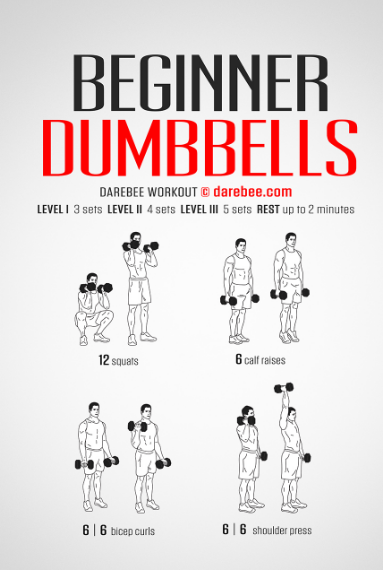
People build their daily strength through consistent habits which develop from their basic exercises. Small daily actions which people execute to improve their fitness should receive proper planning because this method creates permanent fitness results from their daily efforts.
People should make movement their top priority because it should happen every single day. Your muscles will benefit from short exercise periods which include brisk walking, bodyweight training, and stretching activities. Daily practice serves as the main factor which enables people to build their exercise abilities through consistent training.
The second essential element of a training program. Your body needs balanced meals which contain lean protein, complex carbohydrates, and healthy fats plus vegetables to maintain its energy levels and recover from workouts. People who prepare their meals ahead of time or who use basic guidelines for their dining choices will find it easier to choose healthy food options. Proper hydration helps muscles work at their best while it also minimizes tireless.
Rest and sleep both match each other in their importance. During rest time your body develops muscles because this period serves as the time for body recovery operations to happen. People should sleep between 7 and 9 hours while they should recognize their body’s signals which indicate when to take breaks. People can prevent soreness and enhance their flexibility by using light stretching, foam rolling, or yoga which requires short time commitments.
People who perform small strength-building activities throughout their work hours receive benefits which improve their strength. Push-ups, planks, squats, and resistance band exercises can be performed at home or office spaces through their execution in short exercise intervals. These short exercise sessions help people improve their core stability and muscular endurance plus their overall functional strength.
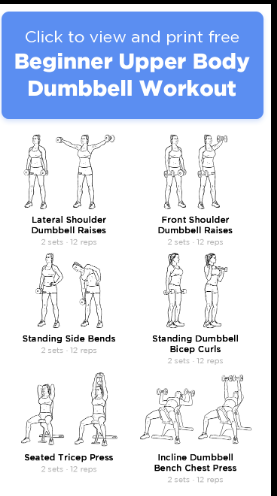
You should measure your progress to maintain your progress while you should also acknowledge your achievements. People should recognize their accomplishments which include finishing their daily exercise routines and achieving their step targets and following their dietary guidelines because this practice helps them establish positive habits and maintain their drive.Your daily routines create lasting fitness results when you maintain focus on exercise and food intake and rest periods and training regularity. The process of building strength requires time because success occurs through consistent practice.
Small Steps, Big Results: How to Get Stronger Every Single Day
Building strength doesn’t always require intense workouts or long hours in the gym. In fact, real, long-lasting progress often comes from small, consistent steps taken every single day. When you focus on daily improvement rather than short bursts of motivation, you create steady momentum that transforms your body and mind over time. Getting stronger every day is not about lifting the heaviest weights—it’s about building sustainable habits, improving your mindset, and learning how to make fitness a natural part of your life. Whether you’re a beginner or someone returning to fitness, simple daily actions can lead to powerful long-term results. When you understand that strength is built gradually, you free yourself from the pressure of perfection and start enjoying the process of becoming stronger, healthier, and more confident.
One of the most important steps to getting stronger every day is establishing a routine that supports your goals. Daily habits like stretching in the morning, maintaining good posture, and taking short walks can significantly improve your mobility and endurance. These habits might seem small, but they play a major role in preparing your body for more intense exercises. Even performing a few bodyweight movements—such as squats, push-ups, and planks—can gradually build strength when done consistently. You don’t need to start with long workouts; even 10 to 15 minutes a day can make a noticeable difference when combined with commitment and persistence. What truly matters is showing up each day and giving your best effort, no matter how small it may seem.
Another key factor in daily strength development is your mindset. Many people underestimate the power of mental discipline in achieving physical goals. Staying consistent, especially on days when you feel tired or unmotivated, requires mental strength. By celebrating small wins—like completing a short workout, drinking enough water, or improving your form—you reinforce positive habits and boost your motivation. Over time, these small victories shape a stronger mindset, making it easier to stay committed to your fitness journey. When your mind is strong, your body follows. You start to push through challenges, set higher goals, and develop confidence in your ability to improve.
Fueling your body properly is another essential step in getting stronger every day. Consuming balanced meals with enough protein, healthy fats, and complex carbohydrates helps your muscles grow and recover. Staying hydrated throughout the day also supports strength development and overall performance. Many people focus only on workouts and forget that nutrition is just as important. Without proper fuel, your body cannot perform at its best, no matter how hard you train. Small dietary improvements—like adding vegetables to your meals, choosing whole foods over processed ones, and reducing sugary snacks—can dramatically impact your strength and energy levels.
Rest and recovery are also crucial in your daily strength-building journey. Your body needs time to repair muscles and replenish energy. This doesn’t mean you must take full rest days every day—instead, focus on active recovery. Light activities such as stretching, yoga, or slow walks help keep your body moving while giving your muscles the chance to heal. Proper sleep is also essential, as it supports muscle growth, hormone balance, and mental clarity. When you respect your body’s need for rest, you prevent burnout and create a healthy balance that allows for continuous improvement.
As you take small steps each day, you’ll begin to notice changes—not just in your strength, but in your overall mindset and lifestyle. Clothes may fit better, your posture may improve, and you may feel more energized and motivated. Most importantly, you’ll develop a deep sense of discipline and self-belief. Getting stronger every single day is not just about building muscles; it’s about creating a lifestyle that values progress, patience, and persistence. Each small action you take brings you closer to becoming the best version of yourself. Over time, these small steps lead to big results, proving that consistency—not intensity—is the true key to strength and transformation.
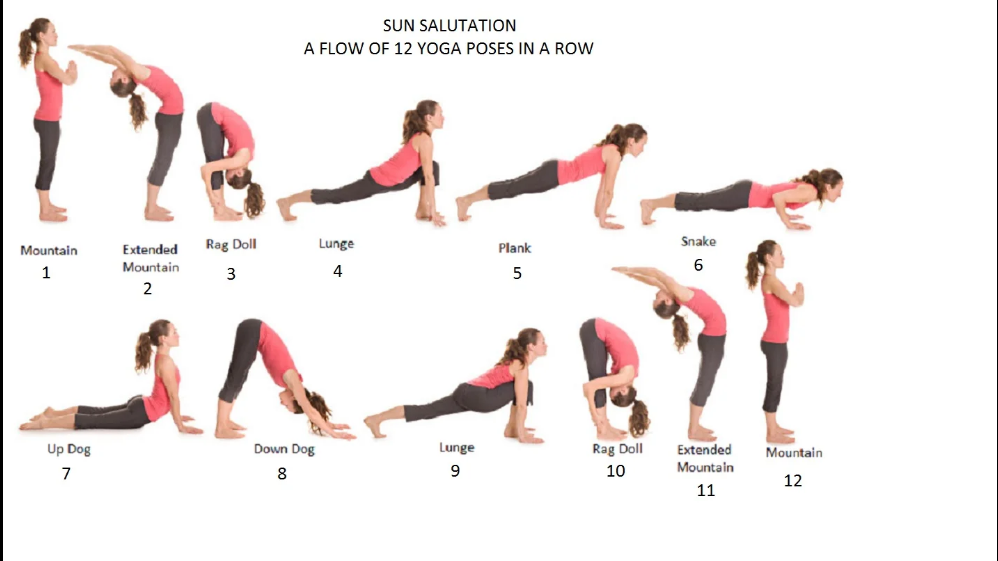
Daily progress toward greater strength doesn’t require intense exercise sessions or major changes to your daily routine. People achieve their most significant changes through their ability to execute small tasks on a daily basis for an extended period. Daily routines that include physical and mental challenges enable individuals to develop their strength through controlled challenges which do not exhaust their stamina.
Begin your exercise program with exercises that you can handle. Your body should perform foundational exercises, which include squats and push-ups and lunges and rows and planks. The compound exercises enable training of several muscle groups which results in effective strength development that produces balanced results. You should train for 20 to 30 minutes three to five times each week. You should perform exercises at a moderate level until you reach the point where you can complete one to two additional repetitions. This method enables gradual development which helps you recover.
People who want to advance their training can use alternatives to heavier weightlifting for their progress evaluation. People can enhance their progress by adding one more repetition or creating better movement techniques or executing slower movements or adding more weight. The principle of progressive overload enables your muscles to learn new techniques through safe training methods. The process of building strength starts with your first tiny improvements which accumulate throughout weeks and months until you achieve substantial strength increases.
Recovery time needs to match your work effort. Your muscles require rest time because their growth happens outside of the workout session. You should focus on the essential elements of sleep and hydration and proper nutrition which needs to deliver sufficient protein. Rest days should include stretching exercises and light walking because they help blood circulation and decrease stiffness. Your body will progress forward through small movements when you learn to understand its signals.
Your body becomes stronger through daily activities which happen outside of planned workout sessions. Your body remains active and develops its strength through practices like using stairs and grocery handling and walking and mobility exercises. These basic movements rather than their complex ones help people to maintain their strength.
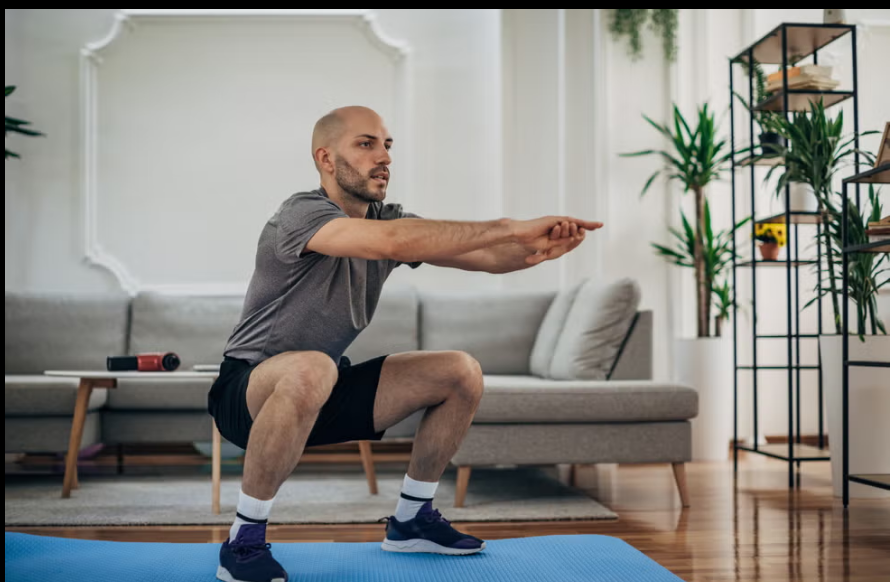
Small steps remove intimidation and build confidence. When you focus on what you can improve today—just one percent better than yesterday—you create momentum. Over time, those modest efforts transform into significant results. Strength is not built in a single breakthrough moment; it’s built quietly, day by day, through disciplined, intentional action.
Strength Starts Here: Essential Workouts Every Beginner Should Learn
Every fitness journey begins with a single step, and for beginners, building strength lays the foundation for long-term progress. Strength is not just about appearance; it is essential for functional movement, injury prevention, improved metabolism, and overall health. The right approach ensures that beginners develop strength safely, effectively, and sustainably. This requires learning fundamental exercises that target major muscle groups, improve coordination, and prepare the body for more advanced training. By focusing on essential workouts from the start, beginners can build confidence, create proper movement patterns, and establish habits that promote consistent improvement over time.
One of the first essential workouts for beginners is the squat. Squats are a compound movement that engages the quadriceps, hamstrings, glutes, and core. They mimic everyday activities like sitting, standing, and lifting, making them highly functional. Beginners can start with bodyweight squats to learn proper form: keeping the chest up, hips back, and knees aligned with the toes. Once mastered, squats can be progressed with resistance bands, dumbbells, or a barbell. Properly executed squats not only build lower body strength but also enhance balance, stability, and flexibility, forming the cornerstone of a beginner’s strength routine.
Push-ups are another foundational exercise every beginner should learn. Push-ups target the chest, shoulders, triceps, and core while also engaging stabilizing muscles. They can be modified for beginners by performing them on the knees, using an elevated surface, or incorporating partial ranges of motion. Learning push-ups develops upper body strength, improves posture, and strengthens the core, all of which are essential for functional fitness. With consistent practice, beginners can gradually progress to full push-ups, increase repetitions, and even explore variations such as incline or decline push-ups to challenge the muscles differently.
Lunges are essential for unilateral strength, meaning they train each leg independently. This helps correct muscle imbalances, improve coordination, and enhance stability. Lunges engage the quadriceps, glutes, hamstrings, and core, while also promoting balance and proprioception. Beginners can start with stationary lunges before progressing to walking lunges, reverse lunges, or weighted variations. Proper form involves keeping the torso upright, ensuring the front knee does not extend past the toes, and engaging the core for stability. Lunges are a versatile exercise that complements squats and provides a well-rounded lower-body strength foundation.
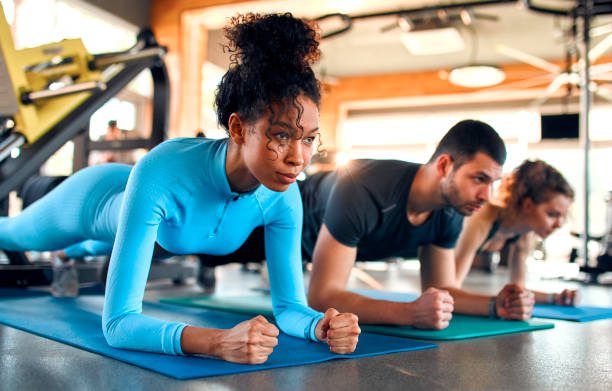
Planks are a core exercise that every beginner should incorporate into their routine. A strong core supports nearly all movements, improves posture, and reduces the risk of injury. Planks engage the deep abdominal muscles, lower back, and shoulders, providing a stable foundation for strength exercises. Beginners can start with short holds, focusing on maintaining a straight line from head to heels and avoiding sagging or arching of the back. Over time, planks can be progressed with side planks, plank reaches, or weighted variations to increase intensity and continue challenging the core.
Rows are essential for developing back strength and counteracting the forward posture often caused by prolonged sitting or computer use. Rows target the upper and middle back, biceps, and rear shoulders, promoting a balanced physique and improving posture. Beginners can start with resistance bands, dumbbells, or a cable machine, focusing on controlled movements and squeezing the shoulder blades together. Strong back muscles support overall strength development, enhance performance in compound lifts, and reduce the risk of injuries, making rows a critical component of a beginner’s routine.
Glute bridges are an effective exercise for activating and strengthening the glutes, hamstrings, and lower back. Strong glutes improve posture, hip stability, and overall lower body power, while also preventing injuries in the lower back and knees. Beginners can start with bodyweight bridges, ensuring they lift the hips fully while engaging the core and glutes. Glute bridges can be progressed by adding resistance bands, dumbbells, or single-leg variations, making them a versatile addition to any strength program.
Deadlifts, when taught correctly, are another essential exercise for beginners. Deadlifts engage the posterior chain, including the hamstrings, glutes, lower back, and traps. They teach proper hip hinge mechanics, which are critical for safe lifting in daily life and advanced training. Beginners should start with light weights or even a broomstick to master form, focusing on keeping the spine neutral, hinging at the hips, and engaging the core. Gradually increasing weight and repetitions allows for significant strength gains and improved functional fitness.
Overhead presses are crucial for building shoulder strength and stability. This exercise targets the deltoids, triceps, and upper back while engaging the core to maintain balance. Beginners can start with light dumbbells, resistance bands, or even just a barbell with no weight to practice technique. Proper form involves pressing straight overhead without arching the lower back, keeping the core tight, and moving through a full range of motion. Overhead presses complement push-ups and rows, contributing to balanced upper-body strength development.
Pull-ups or assisted pull-ups are essential for developing upper back and arm strength. While full pull-ups may be challenging for beginners, assisted versions with resistance bands, machines, or negative reps allow gradual progression. Pull-ups engage the lats, biceps, traps, and forearms while improving grip strength and posture. Regular practice, combined with complementary exercises like rows and push-ups, helps beginners build a strong, balanced upper body.
Mobility and flexibility exercises should also be integrated into a beginner’s routine. Dynamic stretches before workouts prepare the joints and muscles for movement, while static stretches after training aid recovery and improve range of motion. Flexibility work enhances performance, prevents injuries, and supports long-term strength development. Incorporating yoga, foam rolling, or targeted mobility drills ensures that the body remains resilient and adaptable as strength increases.
Consistency, progression, and recovery are the pillars of effective strength development. Beginners should start with manageable routines, focusing on form and frequency rather than intensity. Gradually increasing resistance, repetitions, or sets over time ensures continued progress without causing injury or burnout. Adequate recovery, including rest days, sleep, and nutrition, supports muscle repair and growth, making strength gains sustainable. Tracking progress, setting achievable goals, and celebrating small victories further reinforce motivation and adherence.
In conclusion, building strength as a beginner starts with learning essential workouts that target major muscle groups, improve functional fitness, and establish proper movement patterns. Squats, push-ups, lunges, planks, rows, glute bridges, deadlifts, overhead presses, pull-ups, and mobility exercises form the foundation for a safe and effective routine. By focusing on consistency, progressive overload, proper form, and recovery, beginners can develop a balanced, strong, and resilient body. Strength starts here, with these fundamental exercises, creating a lifelong habit of fitness, confidence, and capability.
Starting your fitness journey can feel overwhelming, but building strength does not require complicated equipment or advanced techniques. The key is to focus on simple, foundational exercises that train your entire body. The essential workouts teach beginners to create proper body movement patterns while they learn to maintain body stability and build a strong foundation for their upcoming development.

The squat stands as the most crucial exercise that beginners must learn. Squats build strength in your legs and glutes and core muscles while they enhance your overall body balance. The exercise functions as an essential movement because it simulates the common activities of sitting and standing. You should start with bodyweight squats until you reach the point of needing to use additional weight.
Push-ups represent another effective exercise that beginners can perform. The exercise works your chest and shoulders and arms while engaging your core muscles. If standard push-ups feel difficult, start with knee push-ups or wall push-ups. You should raise the intensity level of your work as your body strength reaches new heights.
Planks provide a strong method to develop core strength. The core muscles create support for your spine which helps you maintain better posture and decreases your chances of getting injured. You should start by holding a plank position for 20 to 30 seconds which you will extend as your strength develops.
Lunges form a necessary component of fitness training. The exercise helps develop leg strength which enhances your balance abilities while it corrects muscle strength differences between both body sides. You should start with bodyweight lunges like squats to practice proper body movement.
Basic pulling exercises which include resistance band rows and assisted pull-ups should be used as your fundamental exercise. These movements strengthen your back and improve posture, especially important if you spend long hours sitting.
You should prioritize regular exercise over high-intensity workouts when you are just starting out. You should spend three to four days per week to learn about correct body movements while your body needs time to heal from workouts. The foundational exercises will yield results after you demonstrate patience and dedication.